Wheat Penny Price Guide: The Wheat Penny, officially known as the Lincoln Wheat Cent, is one of the most iconic coins in American history. First minted in 1909 to commemorate the centennial of Abraham Lincoln’s birth, it replaced the Indian Head Cent and quickly became a favorite among collectors and the general public. Its distinctive design, featuring two wheat stalks on the reverse, gave the coin its popular nickname. For decades, the Wheat Penny circulated widely, and today it remains a symbol of nostalgia, history, and hidden treasure for coin enthusiasts.
The Design and Symbolism
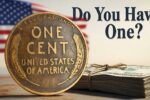
Victor David Brenner designed the Wheat Penny, with Lincoln’s portrait on the obverse and two stylized wheat stalks framing the words “ONE CENT” on the reverse. This design was simple yet powerful, symbolizing prosperity and growth. It was the first time a real person appeared on a U.S. coin, marking a significant departure from classical imagery. The coin’s design endured until 1958, when it was replaced by the Lincoln Memorial reverse. Collectors cherish the Wheat Penny not only for its artistry but also for its historical significance.

Why Wheat Pennies Are Collectible
Wheat Pennies are collectible for several reasons. Their long production run from 1909 to 1958 means there are countless varieties, mint marks, and conditions to explore. Some are common and worth only a few cents, while others are rare and can fetch thousands of dollars. The thrill of searching through old jars, rolls of coins, or inherited collections keeps collectors engaged. Each Wheat Penny carries a story, and the possibility of finding a rare variety adds excitement to the hobby.
Key Dates and Rare Varieties
Certain Wheat Pennies stand out as especially valuable due to their rarity. The 1909-S VDB is perhaps the most famous, with only 484,000 minted. Its scarcity and connection to the coin’s first year of issue make it highly sought after. Another notable rarity is the 1914-D, which is difficult to find in high grades. The 1922 “No D” variety, where the Denver mint mark is missing, is another prized coin. Collectors also seek the 1931-S, which had a low mintage during the Great Depression. These key dates form the backbone of any serious Wheat Penny collection.

The Role of Mint Marks
Mint marks play a crucial role in determining a Wheat Penny’s value. Coins were produced at several mints, including Philadelphia (no mint mark), Denver (D), and San Francisco (S). In many cases, coins from Denver and San Francisco had lower mintages, making them rarer and more valuable. For example, the 1914-D is far more valuable than the 1914-P. Understanding mint marks is essential for collectors who want to identify and evaluate their coins accurately.
Condition and Grading
The condition of a Wheat Penny is one of the most important factors in its value. Coins are graded on a scale from Poor to Mint State, with higher grades commanding higher prices. A coin that has been well preserved, showing sharp details and minimal wear, can be worth exponentially more than a heavily circulated example. Professional grading services provide certification that helps collectors and investors trust the authenticity and quality of a coin. For Wheat Pennies, even small differences in grade can mean significant differences in value.
Error Coins and Unique Finds
Error coins add another layer of intrigue to Wheat Penny collecting. Mistakes during the minting process, such as doubled dies, off-center strikes, or missing elements, can create unique coins that collectors prize. The 1955 doubled die obverse is one of the most famous error coins, with its dramatic doubling visible to the naked eye. Such coins often command high prices because they are rare and visually striking. Collectors enjoy the challenge of spotting these anomalies, which can turn an ordinary coin into a valuable treasure.
Historical Context and Popularity
The Wheat Penny circulated during some of the most significant periods in American history, including both World Wars and the Great Depression. It was the coin of everyday life, used in countless transactions by millions of Americans. Its connection to Lincoln, one of the nation’s most revered presidents, adds to its appeal. Collectors often feel a sense of connection to history when holding a Wheat Penny, imagining the hands it passed through and the times it witnessed. This historical context enhances its popularity and value.

Market Trends and Auction Records
Wheat Pennies continue to attract strong interest in the numismatic market. Auction records show that rare varieties and high-grade examples can sell for impressive sums. For instance, a pristine 1909-S VDB can fetch thousands of dollars, while rare error coins like the 1955 doubled die have sold for even more. Market trends suggest that demand for Wheat Pennies remains steady, with new collectors entering the hobby and seasoned collectors continuing to seek out rare pieces. The combination of historical significance and potential value makes Wheat Pennies a cornerstone of coin collecting.
How to Identify Valuable Wheat Pennies
If you have Wheat Pennies and wonder whether they are valuable, start by checking the date and mint mark. Look for key dates such as 1909-S VDB, 1914-D, 1922 No D, and 1931-S. Examine the coin’s condition, noting whether it shows heavy wear or sharp details. Be on the lookout for unusual features that may indicate an error coin. Consulting a price guide or seeking the expertise of a coin dealer can provide clarity. Even if your coins are not among the rarest, they may still hold value beyond their face amount.
The Joy of Collecting Wheat Pennies
Collecting Wheat Pennies is about more than money. It is about the joy of discovery, the connection to history, and the satisfaction of building a collection. Many collectors start with coins found in circulation or inherited from family members, gradually learning more about varieties and values. The hobby fosters patience, attention to detail, and appreciation for craftsmanship. Whether you are a beginner or an experienced collector, Wheat Pennies offer endless opportunities for exploration and enjoyment.
Conclusion
The Wheat Penny is a timeless coin that continues to captivate collectors. Its rich history, iconic design, and potential for rarity make it a fascinating subject for numismatics. While most Wheat Pennies are worth only a few cents, rare varieties and error coins can command extraordinary prices. The thrill of searching, the joy of discovery, and the connection to history make collecting Wheat Pennies a rewarding pursuit. Whether you dream of finding a 1909-S VDB or simply enjoy the beauty of these coins, the Wheat Penny remains a symbol of America’s past and a treasure worth collecting.