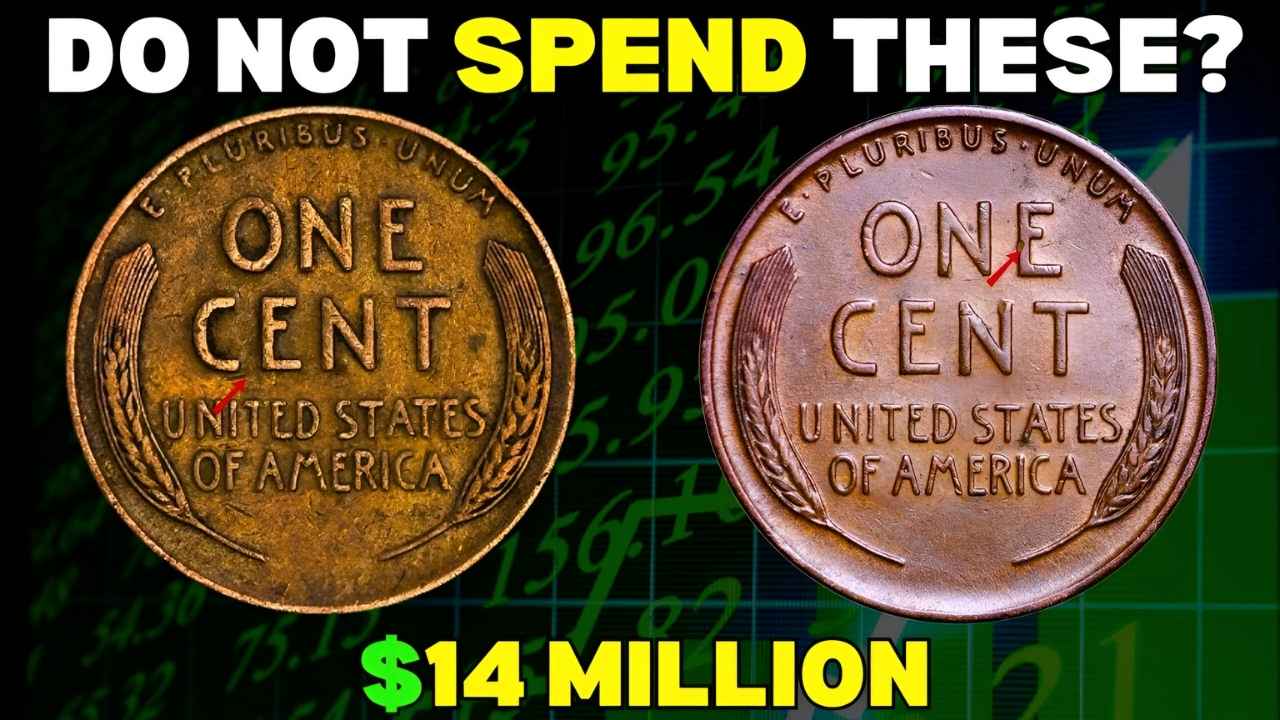
Wheat Pennies Worth Collecting in 2026: The Lincoln Wheat Penny, minted from 1909 to 1958, remains one of the most beloved coins in American numismatics. Featuring Abraham Lincoln on the obverse and two wheat stalks on the reverse, these coins symbolize both history and heritage. While billions were produced, certain years and varieties stand out as rare and valuable. In 2026, collectors continue to prize Wheat Pennies for their artistry, historical significance, and investment potential. This guide explores values by year and provides market insights for enthusiasts seeking to build or refine their collections.
The 1909-S VDB Wheat Penny
The 1909-S VDB is perhaps the most famous Wheat Penny. Minted in San Francisco with designer Victor David Brenner’s initials prominently displayed, only 484,000 were produced. Controversy over the initials led to their removal later that year, making this coin especially rare. In 2026, high-grade examples can sell for tens of thousands of dollars, while even circulated specimens command significant premiums. The 1909-S VDB remains a cornerstone of any serious Wheat Penny collection.

The 1914-D Wheat Penny
The 1914-D penny is another key rarity. Minted in Denver, it had a relatively low mintage of just over one million. Many were heavily circulated, making high-grade examples scarce. Collectors prize this coin for its rarity and historical context. In 2026, values range from hundreds of dollars for circulated specimens to thousands for mint state examples. The 1914-D continues to be one of the most sought-after Wheat Pennies.
The 1922 No D Wheat Penny
The 1922 No D penny is a fascinating variety created by minting errors. That year, all pennies were struck in Denver, but some dies failed to include the “D” mint mark. As a result, a small number of coins were released without the mark, creating a rare variety. Collectors prize these coins for their uniqueness, and values in 2026 remain strong. High-grade examples can sell for thousands, while even lower-grade specimens attract significant interest.

The 1931-S Wheat Penny
The 1931-S penny is notable for its low mintage of just under one million. Released during the Great Depression, many were saved rather than circulated, making them relatively available in higher grades. Still, demand remains strong, and values in 2026 reflect this. Circulated examples sell for modest premiums, while mint state coins can command several hundred dollars. The 1931-S is a reminder of how historical context influences collecting trends.
The 1943 Copper Wheat Penny
The 1943 copper penny is one of the most famous error coins in American history. During World War II, pennies were struck in steel to conserve copper for the war effort. However, a small number of copper planchets were mistakenly used, creating an extremely rare variety. Only a handful are known to exist, and they have sold for hundreds of thousands of dollars at auction. In 2026, the 1943 copper penny remains a legendary rarity, representing the pinnacle of Wheat Penny collecting.

The 1955 Doubled Die Wheat Penny
The 1955 doubled die penny is another famous variety. This coin features dramatic doubling on the date and lettering, making it easily recognizable. Collectors prize it for its distinct appearance and rarity. In 2026, values remain strong, with high-grade examples selling for thousands of dollars. Even circulated specimens attract significant premiums. The 1955 doubled die penny demonstrates how minting errors can create iconic collectibles.
Values by Year
While certain key dates and varieties command extraordinary prices, most Wheat Pennies are more modest in value. Common dates from the 1940s and 1950s often sell for a few cents to a few dollars, depending on condition. Earlier dates from the 1910s and 1920s are generally more valuable, especially in higher grades. Proof issues and coins with strong luster or deep color also command premiums. Collectors in 2026 should focus on condition, rarity, and historical context when evaluating values by year.

Market Insights in 2026
The market for Wheat Pennies in 2026 reflects both stability and growth. Common coins remain affordable, making them accessible to beginners. Rare varieties and high-grade examples continue to appreciate, driven by strong demand from serious collectors. Auction houses regularly feature Wheat Pennies, and online marketplaces show steady interest. Certification by professional grading services adds credibility and enhances marketability. Overall, the trend shows that Wheat Pennies remain a cornerstone of American numismatics, with values reflecting both rarity and nostalgia.
Collecting Strategies
For collectors in 2026, several strategies stand out. Building a complete set by year and mint mark is a rewarding challenge. Focusing on key dates and rare varieties offers investment potential. Condition is paramount, as coins preserved in mint state or proof condition hold the greatest value. Certification adds credibility and protects against counterfeits. Collectors should also educate themselves about varieties, mint marks, and historical context to make informed decisions. Patience and research are essential, as understanding market trends helps collectors maximize both enjoyment and value.

The Role of Nostalgia
Nostalgia plays a significant role in the enduring popularity of Wheat Pennies. Many collectors remember finding these coins in circulation during childhood. The wheat design evokes a sense of Americana and connects people to earlier generations. Even as coinage has evolved, Wheat Pennies remain symbols of tradition and continuity. This emotional connection ensures that they retain their place in the hearts of collectors, regardless of monetary value.
Educational Value of Wheat Pennies
Beyond collecting, Wheat Pennies offer educational value. Teachers and parents use them to introduce students to history, economics, and civics. Families discuss the significance of each design, fostering appreciation for the diversity of the United States. The coins demonstrate how currency can serve as a tool for learning, bridging generations and sparking curiosity. Even in 2026, Wheat Pennies continue to be used in classrooms and educational programs, reinforcing their legacy as more than monetary instruments.
Investment Potential
While not all Wheat Pennies are valuable, certain rare varieties present investment potential. High-grade proofs, rare error varieties, and complete certified sets have shown consistent appreciation. Investors who focus on quality rather than quantity tend to see better returns. However, it is important to remember that coin collecting is not solely about profit. The joy of discovery, the satisfaction of completing a set, and the connection to history are equally important. For those who approach collecting with passion and knowledge, the financial rewards can be a welcome bonus.
Conclusion
The Wheat Penny series offers a fascinating blend of history, artistry, and rarity. From the 1909-S VDB and 1914-D to the legendary 1943 copper penny and the iconic 1955 doubled die, these coins represent the pinnacle of American numismatics. Collectors in 2026 continue to prize these treasures, recognizing their financial value and cultural significance. Price trends reflect the enduring appeal of high-grade examples, while nostalgia and educational value ensure their place in American culture. For enthusiasts today, the journey is far from over. The legacy of the Wheat Penny lives on, inspiring new generations to explore the fascinating world of coin collecting.