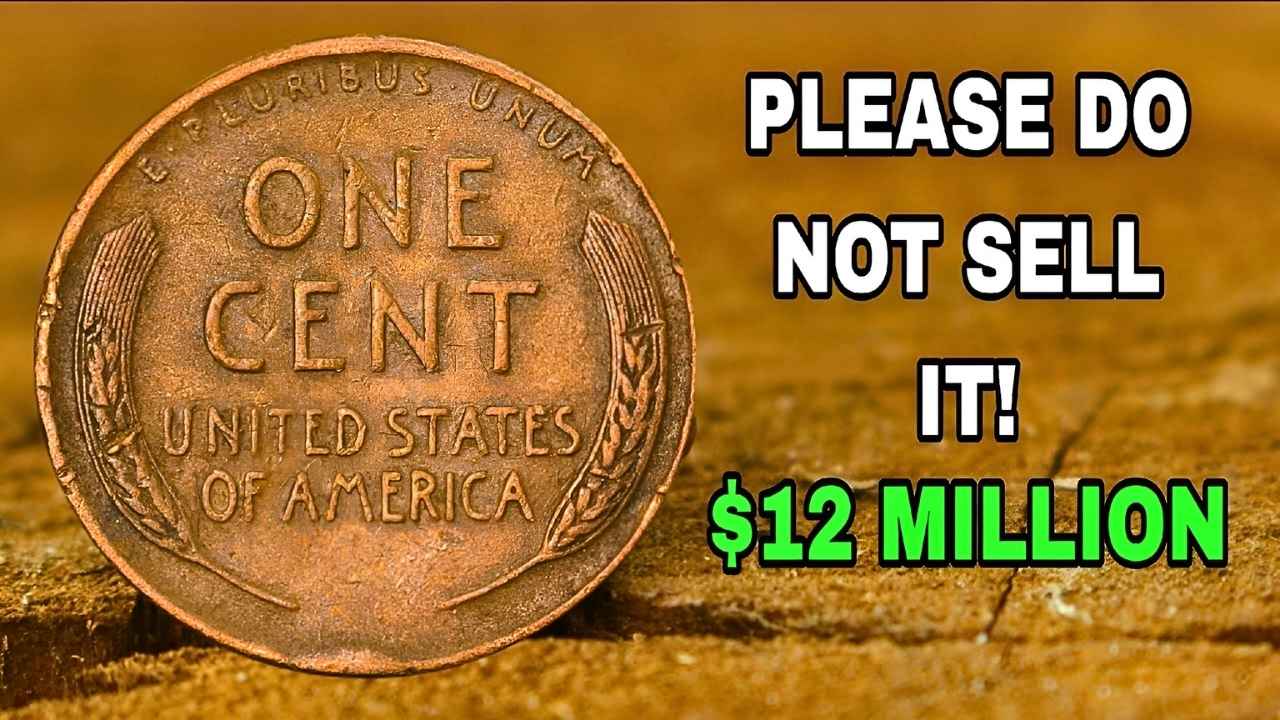
The $3.2 Billion Lincoln Wheat Penny: The Lincoln Wheat Penny is one of the most iconic coins in American numismatics. First minted in 1909 to commemorate the centennial of Abraham Lincoln’s birth, it quickly became a staple in circulation and a favorite among collectors. Its design, featuring Lincoln’s portrait on the obverse and two wheat stalks on the reverse, symbolized both history and agriculture. Over the decades, millions of these pennies were produced, but certain rare varieties have captured the imagination of collectors and investors alike. In recent years, sensational claims have circulated about a Lincoln Wheat Penny supposedly worth 3.2 billion dollars. This article explores whether such a claim is fact or fiction, while also examining the true value and legacy of this beloved coin.
Origins and Historical Significance
The Lincoln Wheat Penny was groundbreaking when introduced in 1909. It was the first regular issue coin to feature a real person, breaking away from the tradition of allegorical figures. Victor David Brenner designed the coin, and his initials VDB appeared prominently on the reverse of the earliest issues. This sparked controversy, leading to the removal of the initials later that year. The coin’s historical significance lies not only in its design but also in its timing. It was released during a period of modernization in American coinage, and it honored one of the nation’s most revered presidents.

Rare Varieties That Command High Value
While most Lincoln Wheat Pennies are common and worth only a few cents above face value, certain varieties are extremely rare and valuable. The 1909-S VDB penny is one of the most famous, with only 484,000 minted. Another standout is the 1943 copper penny, produced when most pennies that year were struck in steel due to wartime shortages. Only a handful of copper examples exist, and they have sold for hundreds of thousands of dollars at auction. Similarly, the 1955 doubled die penny is prized for its dramatic doubling on the date and lettering. These coins demonstrate how rarity, condition, and historical context can elevate a simple penny into a valuable collectible.
The Myth of the 3.2 Billion Dollar Penny
The claim that a Lincoln Wheat Penny is worth 3.2 billion dollars has circulated widely online, often shared in sensational headlines and viral posts. However, this claim is pure fiction. No coin, including the rarest Lincoln Wheat Penny, has ever approached such astronomical value. The most expensive coins in history, such as the 1933 Double Eagle or the 1794 Flowing Hair Dollar, have sold for tens of millions, not billions. The myth likely stems from exaggeration, misunderstanding, or deliberate fabrication intended to attract attention. While it makes for an entertaining story, it has no basis in reality.

Why Such Myths Persist
Myths about coin values persist because they tap into the fascination with hidden treasure. People love the idea that an ordinary coin in their pocket could be worth a fortune. Social media amplifies these stories, spreading them quickly without verification. Additionally, the genuine rarity of certain coins lends credibility to exaggerated claims. When people hear that a 1943 copper penny sold for hundreds of thousands, they may believe that even higher values are possible. The persistence of these myths reflects both human curiosity and the allure of wealth.
Realistic Value of Lincoln Wheat Pennies
In reality, most Lincoln Wheat Pennies are worth between a few cents and a few dollars, depending on condition. Common dates from the 1940s and 1950s are plentiful and hold modest value. Key dates and rare varieties, however, can command significant prices. A 1909-S VDB penny in mint state condition might sell for several thousand dollars. A 1943 copper penny could fetch hundreds of thousands. Proof issues and high-grade examples certified by professional grading services also carry premiums. Collectors should focus on these realistic values rather than chasing myths.

Collecting Insights for Enthusiasts
For collectors, the Lincoln Wheat Penny offers both accessibility and challenge. Beginners can start by assembling a basic set from circulation or coin shops, while advanced collectors pursue rare varieties and high-grade specimens. Condition is critical, as coins with minimal wear and strong luster are far more valuable. Certification by reputable grading services adds credibility and protects against counterfeits. Collectors should also educate themselves about varieties, mint marks, and historical context to make informed decisions. The joy of collecting lies not only in potential value but also in the appreciation of history and artistry.
The Role of Nostalgia
Nostalgia plays a powerful role in the enduring appeal of the Lincoln Wheat Penny. Many collectors remember finding these coins in pocket change during childhood. The wheat design evokes a sense of Americana and connects people to earlier generations. Even as coinage has evolved, the Lincoln Wheat Penny remains a symbol of tradition and continuity. This emotional connection ensures that the coin retains its place in the hearts of collectors, regardless of monetary value.

Investment Potential
While coin collecting should primarily be a hobby, certain Lincoln Wheat Pennies do offer investment potential. Rare varieties and high-grade examples have shown consistent appreciation over time. However, investors should approach with caution, recognizing that the market can fluctuate. Diversification, research, and patience are essential. Coins should be purchased from reputable dealers and authenticated by grading services. The greatest returns often come from coins that combine rarity, demand, and historical significance. Even so, the true reward lies in the enjoyment of collecting rather than speculation.
Conclusion
The Lincoln Wheat Penny is a fascinating coin with a rich history and enduring appeal. While myths about a 3.2 billion dollar penny are entertaining, they are firmly in the realm of fiction. The true value of these coins lies in their rarity, condition, and cultural significance. From the 1909-S VDB to the 1943 copper penny, certain issues command impressive prices, but none approach the realm of billions. Collectors in 2026 can appreciate the Lincoln Wheat Penny for what it truly is: a symbol of American heritage, a gateway to numismatics, and a reminder that even the smallest coin can carry great meaning.