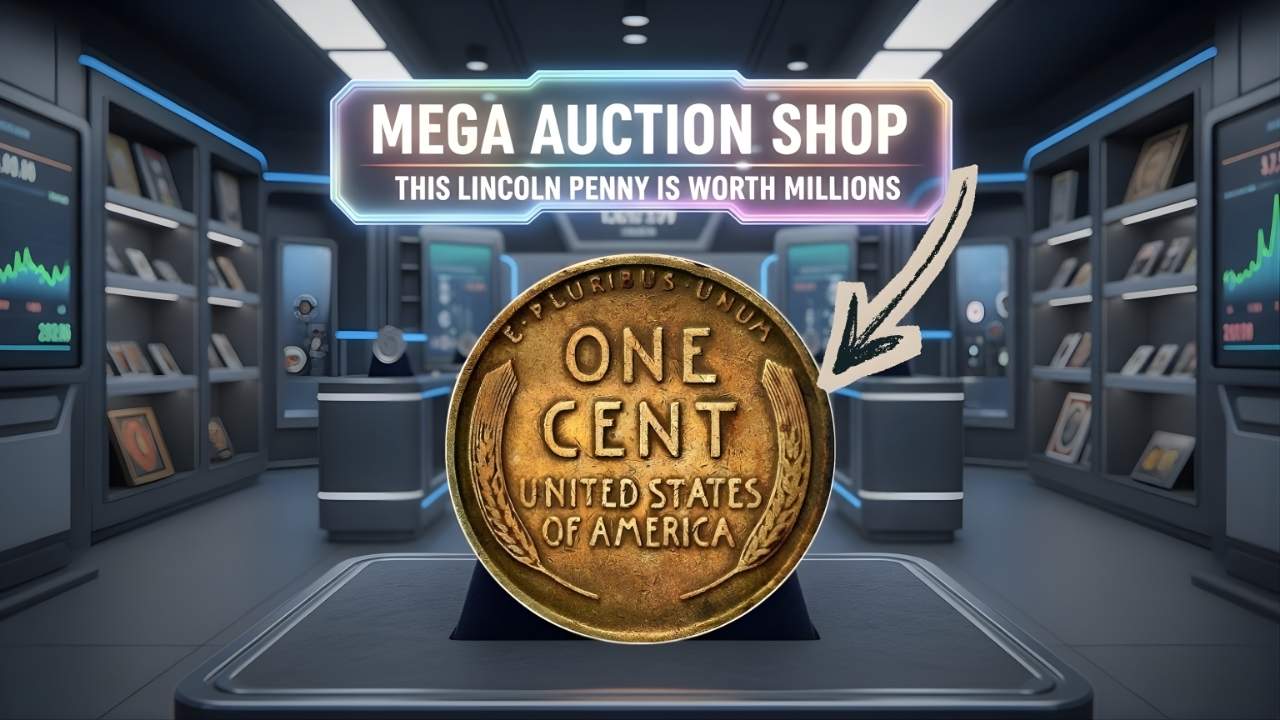
Lincoln Penny Values by Year & Mint: The Lincoln Penny, also known as the Lincoln Cent, is one of the most iconic coins in American numismatics. First introduced in 1909 to commemorate the centennial of Abraham Lincoln’s birth, it was the first U.S. coin to feature a real person rather than a symbolic figure. Designed by Victor David Brenner, the obverse displays Lincoln’s portrait while the reverse originally featured two wheat stalks, giving rise to the nickname “Wheat Penny.” Over the decades, the design has evolved, but the coin remains a staple of everyday currency and a favorite among collectors.
Why Lincoln Pennies Fascinate Collectors
Lincoln Pennies are widely collected because they are accessible, historically significant, and full of intriguing varieties. Unlike rare gold coins or limited mint issues, Lincoln Pennies can often be found in circulation, making them an entry point for new collectors. At the same time, certain rare dates and mint marks can command thousands of dollars at auction. This combination of affordability and potential rarity makes the Lincoln Penny a cornerstone of coin collecting.
Factors That Determine Value
The value of a Lincoln Penny depends on several key factors that collectors must understand:
- Year of issue: Some years had lower mintages, making those coins rarer.
- Mint mark: Coins struck at different mints, such as Denver (D) or San Francisco (S), can vary in scarcity.
- Condition: Higher-grade coins, especially those certified by professional grading services, are worth more.
- Varieties and errors: Doubled dies, off-center strikes, and other anomalies can dramatically increase value.
- Historical significance: Certain coins are prized for their connection to important events or transitions in design.
Early Years and Wheat Pennies
The earliest Lincoln Pennies, minted from 1909 to 1958, are known as Wheat Pennies. These coins feature two wheat stalks on the reverse and are highly collectible. The 1909-S VDB penny is one of the most famous rarities, with the designer’s initials prominently displayed. Because of limited mintage and controversy over the initials, this coin is extremely valuable today. Other key dates include the 1914-D and 1922 no D penny, both of which are scarce and sought after by collectors.
The Transition to the Memorial Reverse
In 1959, the reverse design of the Lincoln Penny changed to feature the Lincoln Memorial, marking the 150th anniversary of Lincoln’s birth. This design remained in use until 2008. While most Memorial Pennies are common, certain varieties stand out. For example, the 1972 doubled die obverse penny is famous among collectors for its dramatic doubling of the date. Similarly, the 1992 close AM penny is a rare variety where the spacing between the letters “A” and “M” in “AMERICA” is unusually close.
Modern Lincoln Pennies
Beginning in 2009, the U.S. Mint released a series of commemorative designs celebrating Lincoln’s bicentennial. These coins featured four different reverse designs representing stages of Lincoln’s life. In 2010, the reverse was changed again to depict a shield, symbolizing Lincoln’s preservation of the Union. While most modern pennies are not rare, collectors still seek out proof versions, special mint sets, and error coins that can carry added value.
Rare Varieties and Errors
Lincoln Pennies are famous for their varieties and errors, which can transform an ordinary coin into a valuable treasure. Some of the most notable include:
- 1955 doubled die obverse: One of the most famous error coins, with dramatic doubling visible in the date and lettering.
- 1972 doubled die obverse: Another striking example of doubling, highly prized by collectors.
- 1992 close AM: A rare variety where the letters “A” and “M” in “AMERICA” are unusually close.
- 1999 wide AM: The opposite variety, where the letters are spaced farther apart than usual.
- 1922 no D penny: A coin struck in Denver without the mint mark, making it extremely rare.
Identifying Valuable Lincoln Pennies
Collectors should pay close attention to details when examining Lincoln Pennies. A magnifying glass or jeweler’s loupe can help spot doubling, mint marks, and other subtle features. Comparing coins to reference guides and consulting professional grading services can provide clarity on authenticity and value. Even small differences in design or strike quality can make a significant difference in worth.

The Role of Professional Grading
Professional grading services such as PCGS and NGC play a crucial role in determining coin value. They assess coins based on strike quality, luster, and preservation, assigning grades that range from Poor (P-1) to Perfect Mint State (MS-70). A Lincoln Penny in high mint state can be worth significantly more than a circulated example. Grading provides collectors with confidence in authenticity and condition, making it easier to buy and sell coins in the marketplace.
Auction Records and Market Trends
Auction records reveal the true potential of rare Lincoln Pennies. The 1909-S VDB penny, for example, has sold for thousands of dollars in high grades. The 1955 doubled die obverse penny is another legendary coin that consistently fetches impressive sums. Market trends show that demand for rare varieties remains strong, with collectors willing to pay premiums for coins in exceptional condition. While most Lincoln Pennies are worth only face value, the rarest examples continue to capture headlines and inspire collectors.
Building a Lincoln Penny Collection
Collecting Lincoln Pennies can be a rewarding journey for both beginners and experienced numismatists. Beginners often start by assembling a complete set of Wheat Pennies or Memorial Pennies, while advanced collectors seek out rare varieties and high-grade specimens. The affordability of most Lincoln Pennies makes them accessible, while the challenge of finding rare dates adds excitement. Building a collection provides not only financial potential but also a deeper appreciation of American history and coinage.
Conclusion
The Lincoln Penny is more than just a small piece of copper. It is a symbol of American heritage, a tribute to one of the nation’s greatest leaders, and a cornerstone of coin collecting. While myths of extraordinary values may capture public imagination, the reality is that most Lincoln Pennies are modestly priced, with rare exceptions reaching impressive sums. Collectors who understand the factors influencing value, from mint marks to error varieties, can appreciate these coins for what they truly are. The enduring appeal of the Lincoln Penny lies not in exaggerated price tags but in its ability to connect generations through shared history and the pursuit of discovery.