Sacagawea Dollar Eagle Reverse Errors: The Sacagawea Dollar, first released in 2000, was intended to be a modern replacement for the Susan B. Anthony Dollar. Featuring the Shoshone woman Sacagawea, who guided the Lewis and Clark expedition, the coin was designed to honor Native American contributions to American history. Its golden color and smooth edge made it visually distinct, though it was minted in copper with a manganese brass coating. While the coin never gained widespread use in everyday commerce, it quickly became a favorite among collectors due to its unique design and the fascinating errors that emerged during production.
The Reverse Design and Its Significance
The reverse of the Sacagawea Dollar originally depicted a soaring eagle surrounded by seventeen stars, symbolizing the states at the time of the Lewis and Clark expedition. This design was meant to capture the spirit of exploration and freedom. The eagle motif was chosen to resonate with American ideals, and the artistry behind it was praised for its elegance. However, as with many coins, the minting process was not flawless, and certain reverse errors began to appear, sparking excitement among numismatists.
Understanding Reverse Errors
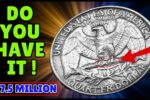
Reverse errors occur when mistakes are made during the striking process of the coin’s back design. These can include doubled images, misaligned strikes, or unusual die variations. In the case of the Sacagawea Dollar, several notable reverse errors have been documented. Some coins show doubling in the eagle’s feathers, while others reveal anomalies in the stars or lettering. These imperfections, though unintended, add a layer of rarity and intrigue that collectors find irresistible.
The Value of Error Coins
Error coins often carry significant premiums in the numismatic market. While a standard Sacagawea Dollar may only be worth its face value or slightly more, coins with reverse errors can fetch hundreds or even thousands of dollars depending on rarity and condition. Collectors prize these coins because they represent a deviation from the norm, a tangible piece of minting history that slipped through quality control. The hidden value lies in the fact that many casual holders of Sacagawea Dollars may not even realize they possess an error coin.
Famous Sacagawea Dollar Reverse Errors
One of the most talked-about errors involves doubled dies, where the eagle’s wings or tail feathers appear duplicated. Another notable error includes weak strikes, where details of the eagle are faint or missing due to insufficient pressure during minting. There are also coins with misaligned reverses, creating a slightly off-center appearance that makes them stand out. Each of these variations has its own level of desirability, with doubled die errors often commanding the highest prices.
How Collectors Identify Errors
Identifying reverse errors requires a keen eye and sometimes magnification tools. Collectors often use loupes to examine the fine details of the eagle’s feathers, the stars, and the inscriptions. Any sign of doubling, distortion, or missing elements can indicate an error. Reference guides and numismatic catalogs provide detailed images of known errors, helping enthusiasts compare their coins. For beginners, joining coin clubs or online forums can be invaluable in learning how to spot these hidden treasures.
Market Trends and Collector Demand
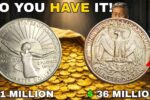
The market for Sacagawea Dollar errors has remained strong since the coin’s release. While demand fluctuates with broader numismatic trends, error coins consistently attract attention. Auction houses frequently list rare reverse errors, and bidding wars often drive prices well above initial estimates. Collectors view these coins not only as investments but also as historical artifacts that capture the quirks of the minting process. The combination of scarcity and historical significance ensures that Sacagawea Dollar reverse errors will continue to hold value.
Preservation and Grading
Condition plays a crucial role in determining the value of error coins. A Sacagawea Dollar with a reverse error in pristine, uncirculated condition will be worth far more than one that shows signs of wear. Professional grading services such as PCGS and NGC evaluate coins based on strike quality, luster, and preservation. Coins that receive high grades are often encapsulated in protective holders, ensuring their long-term safety. Collectors who suspect they own an error coin are encouraged to have it professionally graded to maximize its market potential.

The Collector’s Perspective
For many collectors, the thrill of discovering an error coin is as rewarding as its monetary value. The Sacagawea Dollar Eagle reverse errors represent a fascinating intersection of artistry, history, and chance. Each coin tells a story of how even the most carefully planned designs can yield unexpected results. Collectors often share their finds with fellow enthusiasts, creating a sense of community around these rare pieces. The hunt for errors adds excitement to the hobby, transforming ordinary coins into extraordinary treasures.
Investment Potential
Beyond the joy of collecting, Sacagawea Dollar reverse errors offer genuine investment opportunities. As time passes, the number of surviving error coins in high-grade condition naturally decreases, driving scarcity. This scarcity, combined with ongoing collector interest, suggests that values will continue to rise. Investors who diversify their portfolios with rare coins often view error coins as a hedge against economic uncertainty. While not every coin will yield massive returns, the potential for appreciation makes them an attractive option for those willing to research and invest wisely.

Cultural and Historical Importance
The Sacagawea Dollar is more than just a coin; it is a symbol of recognition for Native American contributions to American history. The reverse errors, while accidental, add another layer of cultural intrigue. They remind us that history is not always perfect, and that even in the minting of commemorative coins, human error plays a role. Collectors who cherish these coins often see them as more than monetary assets; they are pieces of cultural heritage that deserve preservation.
Conclusion
The Sacagawea Dollar Eagle reverse errors stand as hidden gems in the world of numismatics. Their rarity, combined with the historical significance of the coin itself, makes them highly desirable among collectors and investors alike. From doubled dies to misaligned strikes, these errors transform ordinary coins into extraordinary artifacts. For those willing to look closely, the hidden value of these coins offers both financial rewards and a deeper appreciation of American history. Whether you are a seasoned collector or a curious beginner, exploring the world of Sacagawea Dollar reverse errors can open the door to a fascinating and rewarding journey.