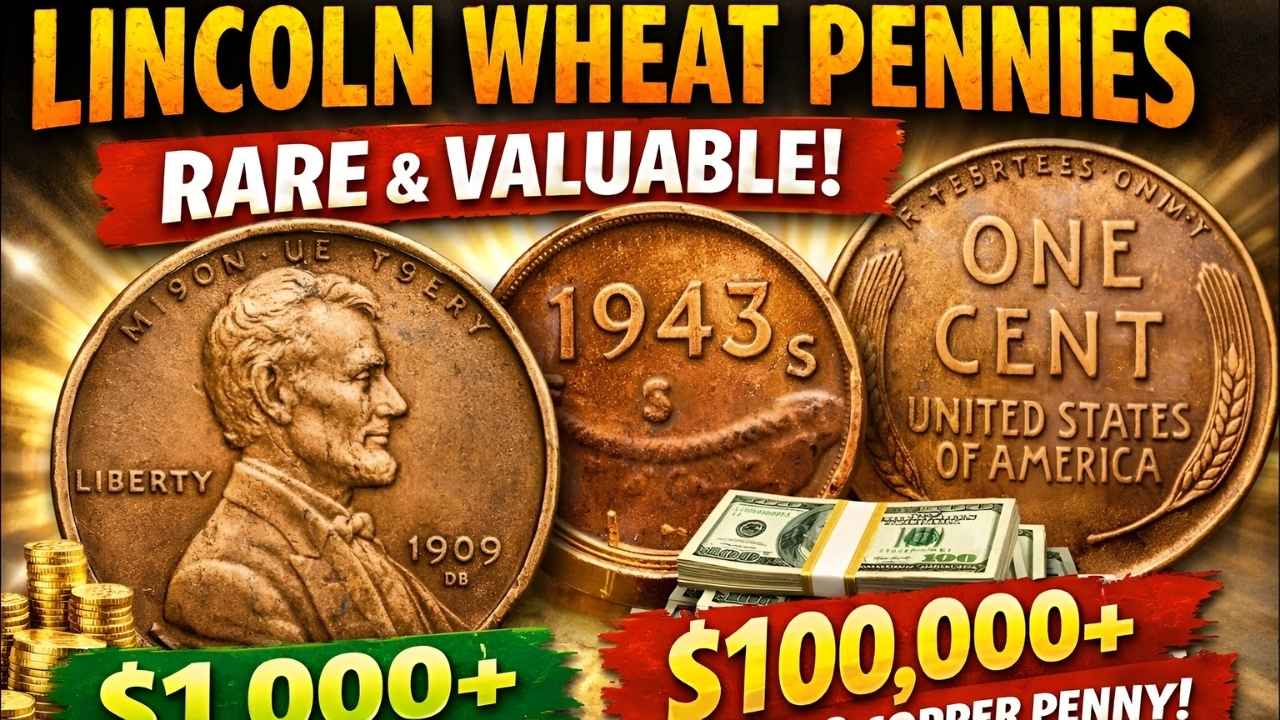
2026 Lincoln Wheat Penny Value Guide: The Lincoln Wheat Penny, minted from 1909 to 1958, remains one of the most iconic coins in American numismatics. Designed by Victor David Brenner, the coin features Abraham Lincoln on the obverse and two wheat stalks framing the words “One Cent” on the reverse. Collectors prize these coins not only for their historical significance but also for the many rare dates and error varieties that can make them worth far more than face value. In 2026, the Lincoln Wheat Penny continues to attract attention from collectors worldwide, with certain examples commanding impressive prices.
The 1909-S VDB Penny
The 1909-S VDB penny is one of the most famous key dates in the series. It was the first year of the Lincoln cent, and Brenner’s initials, VDB, were placed prominently on the reverse. Public controversy led to the removal of the initials, making the San Francisco issue with VDB extremely rare. With a mintage of only 484,000, this coin is highly sought after. In high grades, it can be worth thousands of dollars, making it a cornerstone of any Lincoln Wheat Penny collection.
The 1914-D Penny
Another legendary coin is the 1914-D penny. With a mintage of just over one million, it is scarce compared to other issues. Collectors prize this coin, especially in uncirculated condition. Values can range from hundreds to thousands of dollars depending on grade. The 1914-D penny is considered one of the essential key dates for serious collectors.
The 1922 No D Penny
The 1922 No D penny is a fascinating variety created when the Denver Mint produced pennies without a visible mint mark. This error occurred due to worn dies, resulting in coins that appear to lack the “D” mint mark. Collectors prize this variety, and values can be substantial depending on condition. The 1922 No D penny is a perfect example of how minting errors can create valuable collectibles.
The 1931-S Penny
The 1931-S penny is notable for its low mintage of just under one million. While not as rare as the 1909-S VDB or 1914-D, it is still considered a key date. Collectors often pay premiums for high-grade examples, making it a desirable coin for completing a set. The 1931-S penny demonstrates how production numbers can influence value.
The 1943 Copper Penny
One of the most famous error coins in American history is the 1943 copper penny. During World War II, the U.S. Mint switched from copper to steel planchets to conserve copper for the war effort. However, a small number of pennies were mistakenly struck in copper. These coins are extremely rare and valuable, with some selling for hundreds of thousands of dollars. The 1943 copper penny remains a legendary coin that continues to capture the imagination of collectors.
The 1944 Steel Penny
In 1944, the Mint returned to using copper for pennies, but a few steel planchets from the previous year were accidentally used. The result was the 1944 steel penny, another rare and valuable coin. These coins are highly sought after, with values reaching tens of thousands of dollars. The 1944 steel penny is a reminder of how small mistakes in minting can create treasures worth big money.
The 1955 Doubled Die Penny
The 1955 doubled die penny is one of the most famous error coins in the Lincoln Wheat Penny series. The doubling is most noticeable in the inscriptions on the obverse, creating a striking and easily recognizable variety. Collectors love this coin for its dramatic appearance, and values can reach thousands of dollars. The 1955 doubled die penny remains a favorite among enthusiasts who enjoy the thrill of spotting unusual varieties.

The Role of Condition and Grading
Condition plays a major role in determining the value of Lincoln Wheat Pennies. Coins that are uncirculated or professionally graded as mint state can be worth significantly more than circulated examples. Proof coins, struck with special care for collectors, are also highly prized. Professional grading services assign numerical grades that help establish value and authenticity. For collectors, investing in grading can protect their coins and ensure accurate valuation.
Why Lincoln Wheat Pennies Are Collectible
Lincoln Wheat Pennies are collectible for several reasons. First, they represent a long-running series that spans nearly fifty years. Second, they include numerous rare dates and varieties that make collecting exciting. Finally, the possibility of finding a valuable coin in everyday life adds an element of treasure hunting. Collectors enjoy the challenge of building complete sets and the thrill of discovering rare pieces.
Tips for Identifying Valuable Pennies
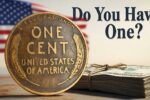
Collectors should pay close attention to details when examining Lincoln Wheat Pennies. Look for key dates such as 1909-S VDB, 1914-D, and 1931-S, as well as error varieties like the 1922 No D and 1955 doubled die. The mint mark, located below the date on the obverse, is crucial in determining rarity. Using a magnifying glass and consulting reliable coin guides can help identify valuable pieces. Patience and careful observation are key to spotting hidden treasures.
The Thrill of Coin Collecting
Coin collecting is more than just a hobby; it is a way to connect with history and culture. Each Lincoln Wheat Penny tells a story about the time in which it was produced, from the early twentieth century to the postwar era. Collectors enjoy the thrill of searching for rare coins, knowing that even a small mistake in minting can create significant value. The excitement of discovery keeps the hobby alive and engaging.
Conclusion
The Lincoln Wheat Penny remains one of the most iconic and collectible series in American coinage. From the legendary 1909-S VDB to the dramatic 1955 doubled die, these coins offer opportunities for discovery and investment. While most pennies are worth only one cent, the rarest examples can be worth thousands or even hundreds of thousands of dollars. For anyone interested in coin collecting, keeping an eye out for valuable Lincoln Wheat Pennies is a rewarding pursuit that combines history, artistry, and the thrill of treasure hunting.